 Wings
Wings
Wings
Wings
When considering equipment for construction projects, the Backhoe Loader stands out as a versatile option. Combining the functionality of a loader and an excavator, it brings efficiency to various tasks like digging and material handling. This machine can operate in tight spaces, where larger equipment cannot fit. Its design allows for quick transitions between tasks, saving valuable time on the job site.
Backhoe Loaders are not just powerful but also user-friendly. Many operators find them easy to maneuver, reducing training time and increasing safety. Their ability to handle different attachments makes them adaptable to multiple applications. However, it's important to note that with great power comes responsibility. Operators must prioritize safety and adhere to best practices to minimize risks.
Understanding the right usage and limitations of a Backhoe Loader can enhance project outcomes. While they are effective, improper usage can lead to costly mistakes. Choosing the right equipment requires careful consideration and reflection on the unique needs of each project. Investing in a Backhoe Loader could prove to be a smart choice for contractors aware of its capabilities and challenges.
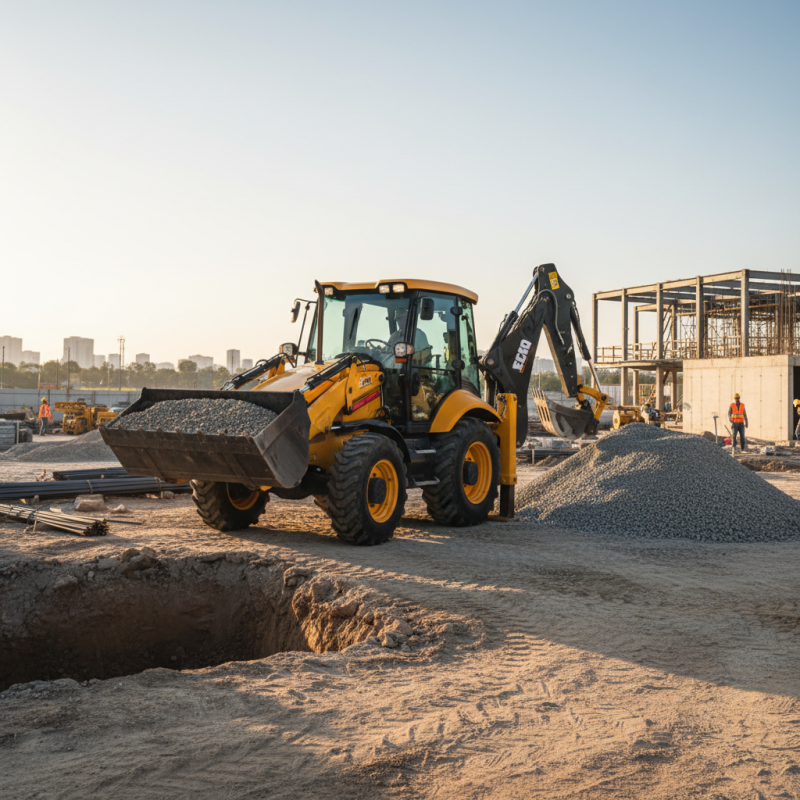
When it comes to construction, versatility is key. A backhoe loader offers multiple functionalities in one compact machine. It allows for digging, loading, and even grading tasks. This adaptability saves both time and money on job sites. Workers can transition quickly from one task to another, enhancing overall productivity.
Tips: Always assess your job site’s needs. Choose attachments that align with your project requirements. This way, you maximize the efficiency of your backhoe loader. Sometimes, using a single machine for various roles may leave gaps in performance.
It's important to acknowledge that not every project will require a backhoe loader. Sometimes a larger excavator or smaller equipment might be better suited. Understanding project scope helps in making informed decisions. Construction professionals must reflect on past project needs to determine the right equipment.
Tips: Get feedback from your team about equipment performance. This can reveal insights on machine limitations and strengths. Regular training on equipment use enhances safety and efficiency.
| Feature | Description | Benefit |
|---|---|---|
| Versatility | Can perform multiple tasks including digging, lifting, and loading. | Reduces need for different types of equipment, saving time and costs. |
| Compact Size | Ideal for tight workspaces where larger machinery can't operate. | Enhances maneuverability on jobsites, ensuring efficiency. |
| Ease of Operation | User-friendly controls and design enable quick learning. | Reduces training time for operators, leading to faster project completion. |
| Attachments | Supports various attachments like grapples, buckets, and forks. | Increases the range of tasks that can be performed without changing equipment. |
| Cost-Effectiveness | Lower initial investment compared to purchasing multiple machines. | Maximizes return on investment by fulfilling multiple roles. |
: Backhoe loaders are used for digging, lifting, and loading tasks. Their dual function saves time and costs.
The hydraulic system offers precise control for various operations, enhancing efficiency during use.
Yes, their compact design allows easy navigation in urban settings with limited space.
Proper training helps prevent accidents and equipment damage, ensuring safety and efficiency on site.
Routine maintenance, like inspections and checking for leaks, is crucial. Neglect can lead to costly repairs.
Yes, they can reduce labor costs by up to 30% and often have lower purchase and maintenance costs.
Purchasing well-maintained used loaders can enhance savings and extend lifespan, making them a smart investment.
Operators should check their surroundings constantly, use hand signals, and wear high-visibility clothing for safety.
Large blind spots are a common hazard; awareness and communication with ground personnel are essential.
A pre-operation checklist is vital for identifying issues; it can significantly increase safety on construction sites.
A Backhoe Loader is an essential piece of equipment for any construction project due to its remarkable versatility. This machine combines the functionalities of a loader and an excavator, making it ideal for a wide range of tasks such as digging, lifting, and moving materials. The key features of Backhoe Loaders, including their maneuverability and ease of operation, contribute to efficient project completion.
Moreover, Backhoe Loaders offer significant cost-effectiveness when compared to other construction equipment options. Their ability to perform multiple functions reduces the need for additional machines, leading to lower operational costs. Maintaining a Backhoe Loader is crucial for ensuring its longevity and optimal performance on the job site. Additionally, adhering to safety considerations while operating these machines is vital to prevent accidents and ensure a secure work environment. Overall, the Backhoe Loader stands out as a reliable choice for diverse construction needs.
