
Wings
In the realm of construction and excavation, Wheeled Diggers hold a crucial position. These versatile machines are prized for their mobility and efficiency. As global demand for infrastructure grows, the need for reliable Wheeled Diggers becomes increasingly apparent.
Choosing the right Wheeled Digger is not a simple task. Buyers must navigate an array of options, each with unique specifications. It’s essential to evaluate performance, durability, and ease of maintenance. Factors like machine weight and engine power can significantly impact project outcomes.
However, the market can be overwhelming. Many models claim superiority, which can lead to buyer confusion. Reflecting on actual user experiences can guide decisions. Understanding supply chains and procurement processes is also vital. Making an informed choice can save time and money. Investing in the right Wheeled Digger ultimately contributes to smoother operations in construction projects.
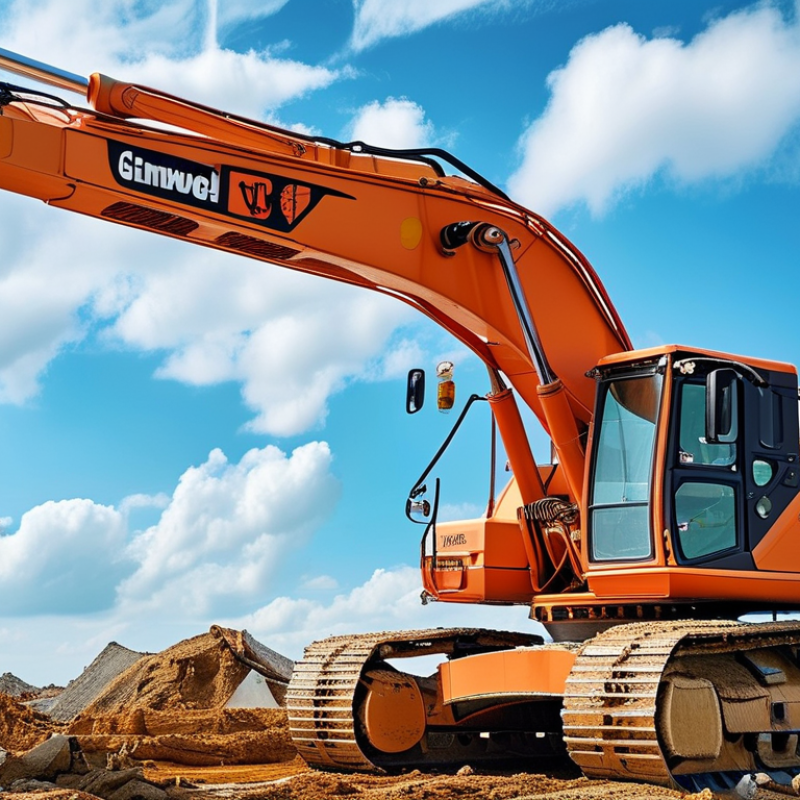
The wheeled digger market is undergoing significant changes in 2023. Innovations are optimizing performance and efficiency. For instance, smarter hydraulic systems enhance digging capabilities. These advancements allow machines to adapt quickly to various tasks. They are also more fuel-efficient, reducing operational costs over time.
Electric-powered models are gaining traction. They promise lower emissions and quieter operations. Many companies are investing in electrification to meet environmental standards. However, challenges remain in battery life and charging infrastructure. Users must consider these factors before adoption.
Connectivity is another key trend. Advanced telematics provide real-time data on machine performance. Operators can monitor usage patterns to improve efficiency. Nonetheless, reliance on technology can lead to over-dependence. Balancing innovation with traditional skills remains essential for operators in the field.
When purchasing wheeled diggers, several key specifications can influence your decision. Size and weight are crucial factors. A larger machine can handle more load but may be harder to maneuver in tight spaces. Think about the working environment. A digger meant for urban areas needs a more compact design. Meanwhile, a rural setting may allow for bigger models with more power.
Power and engine specifications also matter. Look for a machine with strong horsepower for demanding tasks. Fuel efficiency is another aspect worth considering. Machines with better mileage can reduce operational costs over time. Additionally, check for hydraulic capabilities. A powerful hydraulic system enhances the digger's performance in digging tasks and other attachments.
Don't overlook maintenance needs. Some models require more frequent servicing than others. This can increase costs in the long run. It's important to assess the availability of spare parts too. If parts are hard to find, service interruptions may arise. Reflect on these factors before making a final decision. Understanding these specifications can lead to a more informed purchase.
When considering the procurement of wheeled diggers, budgeting plays a critical role. Buyers often grapple with fluctuating costs in global markets. Understanding these expenses is essential for efficient purchasing. It's not uncommon for the price of wheeled diggers to vary based on region, condition, and additional features. Buyers should assess all these factors to make informed decisions.
Many buyers focus solely on the purchase price without considering additional costs. Maintenance, fuel, and insurance can add substantially to long-term expenses. For example, older models may require more frequent repairs. This can lead to hidden costs that affect the overall budget. Additionally, transportation fees can vary greatly based on the distance from the supplier.
It's also essential to analyze potential return on investment (ROI). Investing in newer models might be more expensive initially but could save money on maintenance and fuel efficiency. However, not all new models perform better in every scenario. Conducting thorough market research can reveal discrepancies in quality versus cost. This understanding can help guide decisions in a market that often appears overwhelming.
| Model | Operating Weight (kg) | Engine Power (HP) | Price Range (USD) | Fuel Efficiency (L/h) | Market Availability |
|---|---|---|---|---|---|
| Model A | 8500 | 120 | $60,000 - $70,000 | 6.5 | Global |
| Model B | 9000 | 140 | $70,000 - $80,000 | 7.0 | North America, Europe |
| Model C | 9500 | 160 | $80,000 - $90,000 | 6.0 | Asia, Europe |
| Model D | 10000 | 180 | $90,000 - $100,000 | 5.5 | Global |
| Model E | 11000 | 200 | $100,000 - $110,000 | 4.5 | Asia, Africa |
| Model F | 12000 | 220 | $110,000 - $120,000 | 5.0 | North America, Europe |
| Model G | 13000 | 240 | $120,000 - $130,000 | 4.0 | Global |
| Model H | 14000 | 260 | $130,000 - $140,000 | 3.5 | Asia, Europe |
| Model I | 15000 | 280 | $140,000 - $150,000 | 3.0 | Global |
| Model J | 16000 | 300 | $150,000 - $160,000 | 2.5 | North America, Asia |
The wheeled digger market is diverse and competitive. Key manufacturers play crucial roles, influencing trends and technology. Understanding their market shares helps buyers make informed decisions.
Recent data reveals specific market leaders. These companies focus on innovation, enhancing efficiency and durability in design. However, the market shifts frequently due to emerging players. Some established brands struggle to adapt to new technologies.
New entrants can disrupt the landscape. They often offer competitive pricing and innovative features. Traditional manufacturers must reflect on their strategies. Meeting customer demands is essential for sustaining market share. Identifying weaknesses in product lines can lead to improvement. The importance of reliable partnerships cannot be overstated. As the market evolves, staying informed is vital for successful procurement.
Wheeled diggers are becoming increasingly important in construction. They offer flexibility and efficiency, but their environmental impact must be addressed. According to a report by the International Energy Agency, construction machinery accounts for about 20% of global CO2 emissions. As such, focusing on sustainable practices is crucial.
Operators can reduce emissions by choosing energy-efficient models. Many modern diggers now feature eco-friendly engines. These engines consume less fuel and produce fewer harmful emissions. Research indicates that adopting these technologies could cut carbon footprints by up to 30%. Nonetheless, manufacturers and users must recognize that sustainability is not just about machinery. Proper training for operators further minimizes environmental risks on site.
Waste from construction can also pose challenges. Studies estimate that construction sites produce around 30% of global waste. This includes materials that could be recycled. Effective waste management strategies can significantly lower this figure. Understanding the full life cycle of wheeled diggers and their impact on the environment promotes responsibility. Recognizing these aspects fosters a more sustainable future in construction.
: Smarter hydraulic systems enhance digging capabilities, allowing machines to adapt quickly to tasks.
They promise lower emissions and quieter operations but face challenges in battery life and charging infrastructure.
Fluctuating costs can complicate purchasing decisions and impact overall budgeting.
Maintenance, fuel, insurance, and transportation fees can significantly increase long-term expenses.
A higher initial cost for newer models may lead to savings in maintenance and fuel efficiency over time.
Over-dependence on technology can occur, so balancing innovation with traditional skills is crucial.
This article serves as a comprehensive guide for buyers interested in wheeled diggers, highlighting key market trends and innovations for 2023. It emphasizes the importance of understanding specifications and features when making procurement decisions, ensuring that buyers are well-informed about the operational capabilities and efficiency of wheeled diggers.
Additionally, a thorough cost analysis is included to aid in budgeting for wheeled digger procurement in various global markets. The article also discusses the leading manufacturers in the industry, providing insight into their market shares, which can inform strategic purchasing decisions. Lastly, the guide addresses the sustainability and environmental impact of wheeled digger operations, urging buyers to consider eco-friendly practices in their procurement processes.
