 Wings
Wings
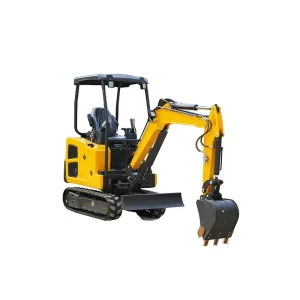
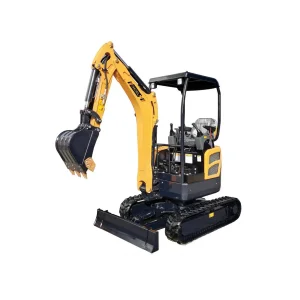
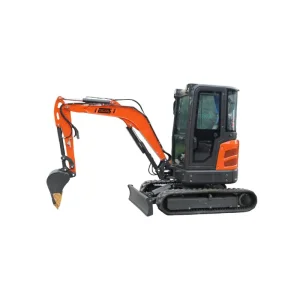
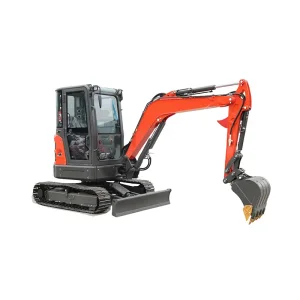

The Evolution of Bucket Wheel Excavators in China
The journey of becoming the best China Bucket Wheel Excavator supplier began with a focus on structural resilience and continuous flow engineering. Unlike standard hydraulic excavators that operate in a "dig-swing-dump-return" cycle, a bucket wheel excavator provides a constant stream of material. This is achieved through a large wheel equipped with several buckets that rotate as the boom slews. As the wheel turns, the buckets scoop up the material and discharge it onto a series of internal conveyors. This continuous process is what makes BWEs the most productive machines in the world, capable of moving thousands of cubic meters of earth per hour.
Global Market Dynamics and Lignite Mining
Globally, the market for these massive machines is driven by the energy sector. Lignite, or brown coal, is often found in thick, soft seams that are ideal for continuous excavation. In regions like the Rhenish coalfield in Germany or the Latrobe Valley in Australia, BWEs have been the standard for decades. However, the shift is now moving towards more versatile, medium-sized BWEs produced in China. These machines offer the same continuous output but are designed with a footprint that allows for easier mobilization and lower capital expenditure, making them attractive to mining operations in South America and Southeast Asia.
Strategic Procurement: Reliability Meets Innovation
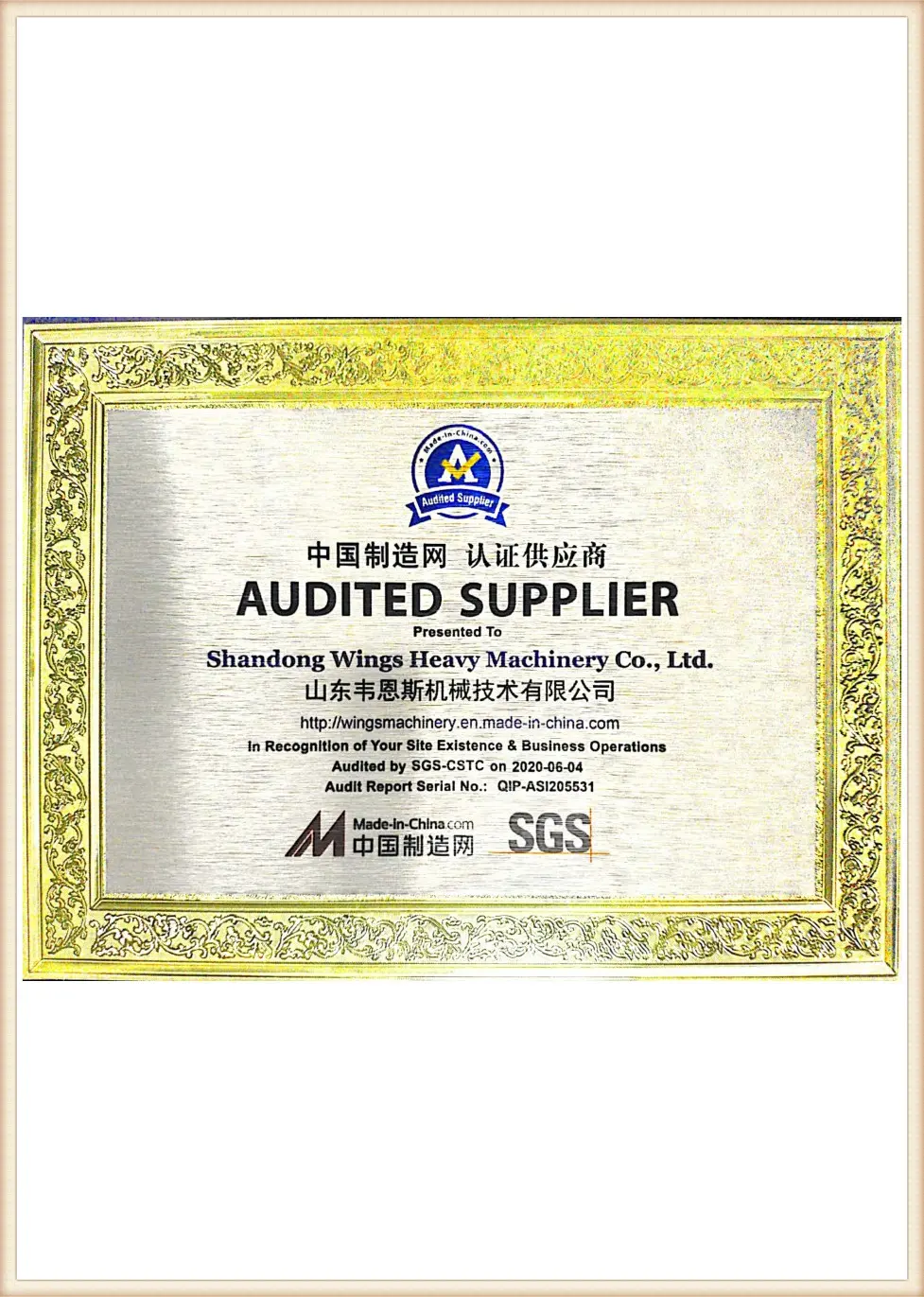
When global enterprises look for a Bucket Wheel Excavator factory, they prioritize three things: reliability, parts availability, and technical support. At Shandong Wings Machinery, we address these needs by utilizing high-strength alloy steels and standardized hydraulic components that are serviceable globally. The integration of AI technology has further enhanced these machines. Modern BWEs now feature automated leveling systems and load-sensing hydraulics that adjust the wheel speed based on the density of the material, optimizing energy consumption and reducing wear on the bucket teeth.
Application Depth: From Soil to Port
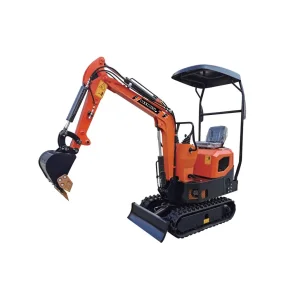
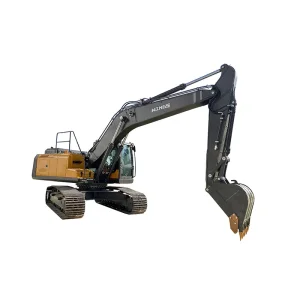
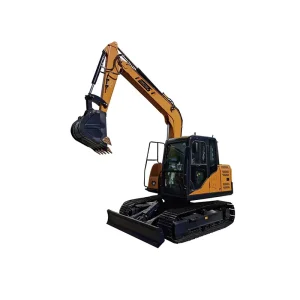
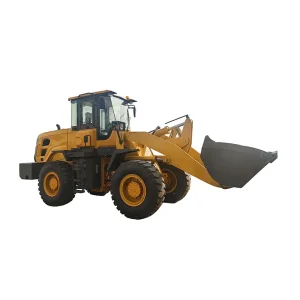
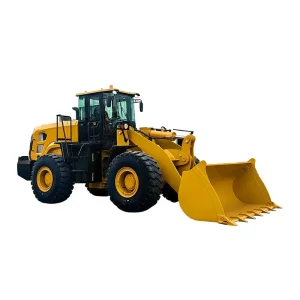
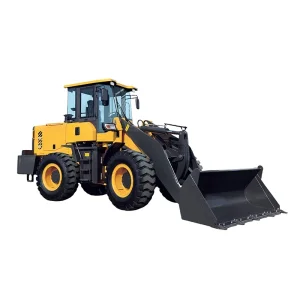
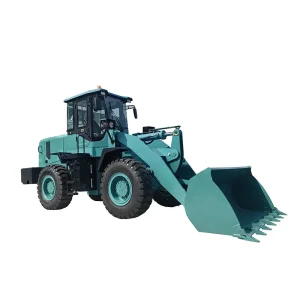
While mining is the primary application, localized scenarios for BWEs are expanding. In large-scale port construction, these machines are used to move massive amounts of dredged material. In landscape engineering, they assist in creating artificial plateaus or clearing large swathes of overburden for highway projects. The versatility of our product line, including wheel loaders and crawler excavators, allows us to provide a "full-site" solution. A customer might procure a primary BWE for the main excavation and supplement it with our 23T crawler excavators for detail work and our 6ton rated load wheel loaders for site logistics.
The Shandong Wings Advantage: Quality and Customization
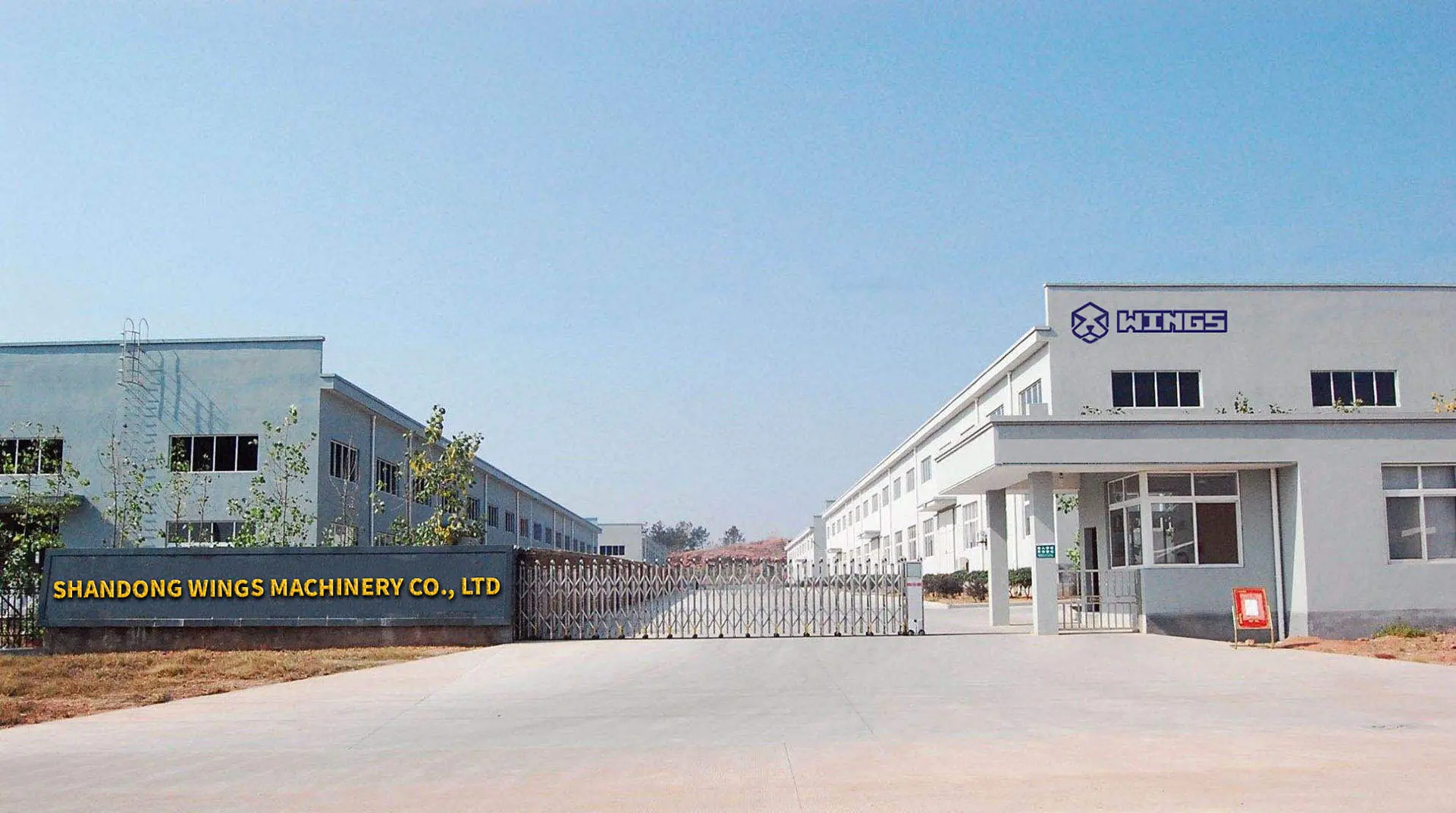
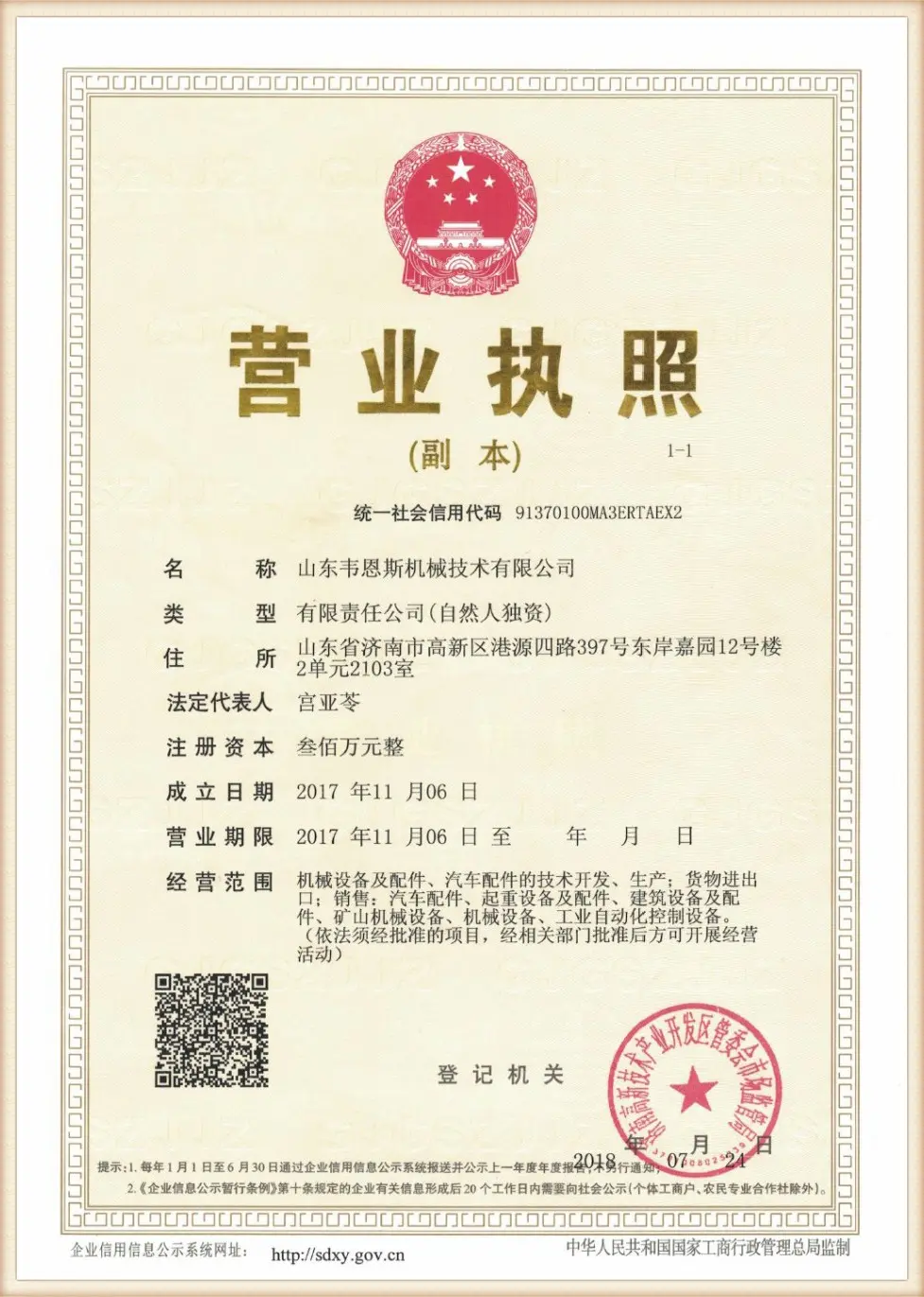
Our factory in the Jinan High-Tech Zone is more than just a production line; it is a center for innovation. By maintaining strict adherence to national manufacturing standards, we ensure that every machine leaving our facility is ready for the rigors of the global stage. Our commitment to E-E-A-T principles means that we don't just sell a machine; we provide a partnership. This includes detailed technical training for onsite operators, a robust warranty program, and a design philosophy that prioritizes the operator's safety and comfort. With a rapidly growing footprint in the Americas and Europe, Shandong Wings Machinery is redefining what it means to be a high-quality Chinese machinery exporter.
Sustainability and the Future of Mining
The future of the bucket wheel excavator is green. As the mining industry faces increasing pressure to reduce its carbon footprint, our R&D is focusing on electric-powered drive systems. By eliminating the need for large diesel engines on the primary excavation units and replacing them with high-efficiency electric motors, mines can significantly reduce their Scope 1 emissions. This trend is not just about the environment; it’s about economics. Electric motors have fewer moving parts and longer service intervals, further reducing the TCO for our clients. As a forward-thinking factory, we are already integrating these technologies into our next generation of heavy machinery.